Uthirakosamangai Temple – History, Timings, Location and Complete Travel Guide
Uthirakosamangai Temple, also known as Arulmigu Mangalanathaswami Temple, is one of the ancient and spiritually significant Shiva temples in Ramanathapuram district, Tamil Nadu. The temple is particularly renowned for its Maragatha Natarajar (Emerald Nataraja), a special representation of Lord Shiva in his cosmic dancing form.
Located approximately 18 kilometres from Ramanathapuram town, this historic temple attracts devotees, spiritual travellers and tourists from different parts of Tamil Nadu and other states. The temple is associated with ancient Shaivite traditions, religious legends, traditional architecture and the annual Arudhra Darshan festival.
The presiding deity is Lord Mangalanathaswami, and Goddess Mangalambikai is worshipped as his consort. The temple is especially popular among devotees who visit during the Tamil month of Margazhi to worship Maragatha Natarajar.
Whether you are planning a spiritual visit, researching Tamil Nadu temple history or exploring Ramanathapuram’s tourist destinations, this guide covers the temple’s history, religious importance, timings, festivals, location and travel arrangements.
1. History of Uthirakosamangai Temple
Uthirakosamangai is recognised as an ancient Shiva pilgrimage centre in Ramanathapuram district. The temple is dedicated to Lord Shiva, worshipped here as Mangalanathaswami, with Goddess Mangalambikai as the presiding goddess.
According to traditional temple history, Lord Shiva chose this sacred location to explain the hidden meanings and secrets of the Vedas and Agamas to Goddess Parvati. This divine event is considered the origin of the temple’s name and its spiritual importance.
The name Uthirakosamangai is traditionally explained through three words:
- Uthiram: Sacred teaching or instruction.
- Kosam: Secret knowledge or hidden meaning.
- Mangai: Goddess Parvati.
According to this interpretation, Uthirakosamangai represents the sacred place where Lord Shiva revealed spiritual knowledge to Goddess Parvati.
Historical Association with the Sethupathi Rulers
Uthirakosamangai Temple has a significant historical connection with the Ramanathapuram Sethupathi royal family. The temple is associated with the Ramanathapuram Samasthanam Devasthanam and the traditional religious patronage of the Sethupathi rulers.
The Sethupathi rulers played an important role in the religious and cultural development of the Ramanathapuram region. Their association with several temples helped preserve traditional worship practices and religious institutions.
The temple’s historical importance is also connected with the wider Shaivite heritage of Tamil Nadu. Devotees associate this sacred location with saints, spiritual teachers and traditional Shiva worship.
Religious Legends and Traditional Beliefs
Several traditional stories are associated with Uthirakosamangai. One important belief concerns Lord Shiva revealing sacred knowledge to Goddess Parvati at this location.
Another traditional account connects the wider region with Lord Shiva’s fishing-related divine play, known as Valai Veesiya Thiruvilaiyadal.
These stories form part of the temple’s religious tradition and should be understood as sacred legends rather than independently established historical events.
2. Maragatha Natarajar – The Speciality of Uthirakosamangai
One of the main attractions of Uthirakosamangai Temple is Maragatha Natarajar, the emerald representation of Lord Shiva as Nataraja.
Nataraja represents Lord Shiva performing the cosmic dance, symbolising the continuous cycle of creation, preservation and transformation.
The emerald Natarajar is considered especially sacred by devotees. Its association with the precious green gemstone makes this shrine distinctive among Shiva temples in Tamil Nadu.
Why Is Maragatha Natarajar Special?
According to temple tradition, the Nataraja image is made of emerald and receives special care because of the traditional belief that the stone is delicate.
The idol is traditionally covered with sandalwood paste for most of the year. During the annual Arudhra Darshan celebration in Margazhi, devotees gather to witness the special worship and darshan associated with the deity.
This celebration attracts large numbers of devotees from Ramanathapuram, Madurai, Sivaganga, other parts of Tamil Nadu and neighbouring states.
Spiritual Significance of Nataraja
Lord Shiva’s cosmic dance represents several philosophical ideas:
- Creation of the universe.
- Preservation of life.
- Destruction and transformation.
- Removal of ignorance.
- Spiritual liberation.
Devotees believe that worshipping Maragatha Natarajar brings peace, spiritual strength and divine blessings.
3. Uthirakosamangai Temple Architecture and Special Features
Uthirakosamangai Temple reflects the traditional Dravidian architectural heritage of Tamil Nadu.
The temple complex contains important shrines, traditional architectural elements, sculptural details and religious spaces that reflect the region’s temple-building traditions.
Main Architectural Features
- Rajagopuram: The temple entrance tower is an important architectural feature and provides the traditional entrance to the sacred complex.
- Stone Sculptures: Traditional stone sculptures and decorative architectural elements reflect the artistic heritage of South Indian temple construction.
- Mandapams: The temple has worship and gathering spaces used for religious ceremonies and special occasions.
- Main Sanctum: The principal shrine is dedicated to Lord Mangalanathaswami.
- Goddess Shrine: Goddess Mangalambikai is worshipped as the divine consort of Lord Shiva.
- Maragatha Natarajar Shrine: This is one of the temple’s most significant attractions and is particularly important during Arudhra Darshan.
- Temple Theertham: The sacred water tank is associated with traditional temple worship and religious practices.
Visitors interested in South Indian history and architecture can explore the temple’s structures, shrines and traditional sculptural work.
4. Main Deities of Uthirakosamangai Temple
The temple is dedicated primarily to Lord Shiva and Goddess Parvati.
| Deity | Religious Significance |
|---|---|
| Mangalanathaswami | Main presiding deity, Lord Shiva. |
| Mangalambikai | Goddess Parvati. |
| Maragatha Natarajar | Emerald representation of Lord Shiva’s cosmic dance. |
The temple’s main deity and associated shrines form the centre of its religious importance. Devotees visit to perform traditional worship, offer prayers and participate in special poojas.
5. Uthirakosamangai Temple Timings
Visitors planning a visit should check the official temple schedule before starting their journey.
According to the Tamil Nadu HR&CE website, the regular temple opening and closing timings are:
| Temple Schedule | Timings |
|---|---|
| Morning Opening | 4:00 AM |
| Morning Closing | 1:00 PM |
| Evening Reopening | 3:00 PM |
| Night Closing | 9:00 PM |
Daily Pooja Timings
| Pooja Name | Timings |
|---|---|
| Thiruvanandal Pooja | 6:00 AM – 7:00 AM |
| Vila Pooja | 7:00 AM – 8:00 AM |
| Kalasanthi Pooja | 9:00 AM – 9:30 AM |
| Uchikala Pooja | 12:00 PM – 12:30 PM |
| Sayaratchai Pooja | 5:00 PM – 6:00 PM |
| Arthajama Pooja | 8:00 PM – 8:30 PM |
6. Major Festivals Celebrated at Uthirakosamangai Temple
Uthirakosamangai Temple celebrates several important religious festivals throughout the Tamil calendar year.
These celebrations attract devotees who participate in special poojas, abhishekams, processions and other traditional religious activities.
Arudhra Darshan – Margazhi
Arudhra Darshan is one of the most important celebrations associated with Uthirakosamangai Temple.
It is celebrated during the Tamil month of Margazhi, generally corresponding to December or January.
The festival is particularly important because of its association with Maragatha Natarajar. Devotees visit the temple to witness the special darshan and worship Lord Shiva in his Nataraja form.
The annual celebration is an important spiritual and cultural event for the Ramanathapuram region.
Maha Shivaratri – Maasi
Maha Shivaratri is dedicated to Lord Shiva and is observed with special prayers and worship. Devotees visit the temple, participate in poojas and offer prayers throughout the festival.
Other Important Festivals
| Festival | Tamil Month | Significance |
|---|---|---|
| Thirukalyanam | Chithirai | Divine marriage celebration. |
| Vasantha Utsavam | Vaikasi | Traditional spring celebration. |
| Shiva Utsavam | Aani | Special Shiva festival. |
| Annabhishekam | Aippasi | Special worship of Lord Shiva. |
| Arudhra Darshan | Margazhi | Special Maragatha Natarajar worship. |
| Maha Shivaratri | Maasi | Important Shiva worship festival. |
Apart from annual celebrations, devotees also observe Pradosham, Amavasai, Pournami and other auspicious days with special prayers.
Festival dates and programmes should be checked with temple administration every year.
7. Uthirakosamangai Temple Location and Address
Uthirakosamangai Temple is situated in Thiru Uthirakosamangai village, Ramanathapuram district, Tamil Nadu.
Arulmigu Mangalanathaswami Temple
1, Agraharam Street,
Thiru Uthirakosamangai,
Ramanathapuram District,
Tamil Nadu – 623533, India.
Temple Contact Number: 04567-221219
Google Maps: Get Directions to Uthirakosamangai Temple
The temple is approximately 18 kilometres from Ramanathapuram town and can be reached by local buses, taxis and private vehicles.
8. How to Reach Uthirakosamangai Temple
Visitors can reach Uthirakosamangai through road, railway and air transportation.
By Road
Road travel is one of the convenient ways to reach the temple. Visitors travelling from Ramanathapuram can hire a taxi, use local transport or travel by private vehicle.
Buses and other public transportation options are available in the Ramanathapuram region. Visitors should check the latest local bus schedules before travelling.
By Train
Ramanathapuram Railway Station is the nearest convenient railway station for visitors travelling by train.
The station is connected to various parts of Tamil Nadu through passenger and express train services. After reaching Ramanathapuram, visitors can arrange local transportation to Uthirakosamangai.
By Air
Madurai Airport is the nearest major airport identified by the Ramanathapuram District Administration.
The airport is approximately 120 kilometres from Ramanathapuram town. Visitors arriving by flight can hire a taxi or arrange road transportation to reach the temple.
Approximate Travel Distance
| Starting Location | Approximate Distance |
|---|---|
| Ramanathapuram | 18 km |
| Rameswaram | 70–85 km |
| Madurai | 110–120 km |
| Madurai Airport | Around 120 km from Ramanathapuram |
| Chennai | Approximately 535 km by road |
| Bengaluru | Approximately 500–550 km by road |
Distances are approximate travel-planning estimates. Check your navigation application for the actual route and current journey time.
9. Nearby Tourist Attractions
Visitors travelling to Uthirakosamangai can also explore several historical and religious destinations in Ramanathapuram district.
Ramanathaswamy Temple, Rameswaram
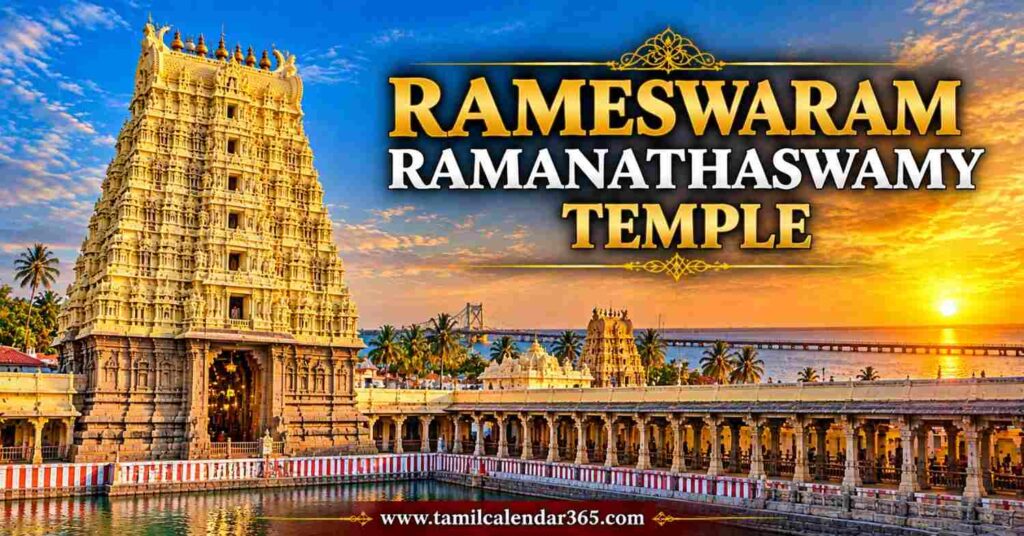
Ramanathaswamy Temple is one of India’s important Shiva pilgrimage centres and is famous for its Jyotirlinga tradition, magnificent corridors and religious heritage. The temple attracts devotees from across India.
Visitors can combine Uthirakosamangai and Rameswaram in a wider Ramanathapuram pilgrimage trip.
Devipattinam Navagraha Temple
Devipattinam is a coastal pilgrimage destination associated with Navagraha worship. According to traditional belief, Lord Rama worshipped the Navagrahas at this location.
Devotees visit this place to perform religious prayers and rituals.
Ramanathapuram Palace
Ramanathapuram Palace is historically associated with the Sethupathi rulers. Visitors interested in regional history can explore the palace and learn about the historical importance of the Ramanathapuram royal family.
Thiruppullani Temple
Thiruppullani is another important religious destination in Ramanathapuram district. The temple is dedicated to Lord Adi Jagannatha Perumal and is associated with the Ramayana tradition.
It is an interesting destination for visitors exploring the religious heritage of the Ramanathapuram region.
10. Suggested One-Day Temple Travel Itinerary
Visitors planning a pilgrimage can consider the following route, subject to transport availability and temple schedules.
| Time | Suggested Activity |
|---|---|
| 6:00 AM | Start from Ramanathapuram. |
| 6:45 AM | Reach Uthirakosamangai. |
| 7:00 AM – 9:00 AM | Temple darshan and worship. |
| 9:30 AM | Breakfast and travel. |
| 10:30 AM | Visit Thiruppullani. |
| 12:00 PM | Lunch break. |
| 2:00 PM | Visit Devipattinam. |
| 4:00 PM | Return towards Ramanathapuram. |
| Evening | Explore Ramanathapuram town. |
This is a suggested itinerary, not a guaranteed timetable. Allow additional time for darshan, travel and festival crowds. The afternoon temple closure should also be considered.
11. Best Time to Visit Uthirakosamangai Temple
October to March is generally a comfortable period for visiting Ramanathapuram district because outdoor travel can be easier during these months.
However, devotees who want to experience the temple’s special religious celebrations may prefer visiting during Margazhi, particularly around Arudhra Darshan.
Seasonal Travel Recommendations
- October to November: Suitable for temple visits and regional sightseeing.
- December to January: Important period for Margazhi celebrations and Arudhra Darshan.
- February to March: Generally suitable for pilgrimage and sightseeing.
- April to June: Summer temperatures can be high, so early morning visits are preferable.
- July to September: Check local weather conditions and travel arrangements.
Visitors should check the annual festival calendar before finalising their travel dates.
12. Visitor Guidelines and Important Information
Before visiting Uthirakosamangai Temple, keep the following practical points in mind.
- Dress Appropriately: Wear modest clothing suitable for a traditional Hindu temple.
- Follow Temple Rules: Respect the temple’s customs, worship procedures and instructions from temple staff.
- Photography: Confirm photography permissions before taking pictures inside the temple.
- Footwear: Remove footwear in designated areas before entering the temple.
- Senior Citizens: Plan sufficient time for walking and darshan. Contact the temple to confirm any special assistance facilities.
- Food and Accommodation: Visitors can explore accommodation and restaurant options in Ramanathapuram town. Confirm availability in advance during major festivals.
- Festival Crowds: Arrive early during Arudhra Darshan and other major celebrations.
- Special Poojas: Contact the temple administration to confirm availability, booking procedures and applicable charges.
- Temple Timings: Check the official HR&CE website before starting your journey.
13. Frequently Asked Questions About Uthirakosamangai Temple
1. Where is Uthirakosamangai Temple located?
Uthirakosamangai Temple is located in Thiru Uthirakosamangai village, Ramanathapuram district, Tamil Nadu. It is approximately 18 kilometres from Ramanathapuram town.
2. What is the history of Uthirakosamangai Temple?
Uthirakosamangai is an ancient Shiva pilgrimage centre. According to traditional temple history, Lord Shiva revealed the secrets of the Vedas and Agamas to Goddess Parvati at this sacred location.
3. Why is Uthirakosamangai Temple famous?
The temple is famous for its ancient Shaivite traditions, Mangalanathaswami shrine and Maragatha Natarajar, the emerald representation of Lord Shiva.
4. What is Maragatha Natarajar?
Maragatha Natarajar is the sacred emerald representation of Lord Shiva in his cosmic dancing form. The deity is a major attraction at Uthirakosamangai Temple.
5. What are Uthirakosamangai Temple opening timings?
According to the official HR&CE website, the temple is open from 4:00 AM to 1:00 PM and from 3:00 PM to 9:00 PM. Festival schedules may differ.
6. When is Arudhra Darshan celebrated?
Arudhra Darshan is celebrated during the Tamil month of Margazhi, generally in December or January. The exact date changes annually according to the Tamil calendar.
7. How far is Uthirakosamangai from Ramanathapuram?
The temple is approximately 18 kilometres from Ramanathapuram town. Visitors can reach it by local transport, taxi or private vehicle.
8. How can I reach Uthirakosamangai from Madurai?
Visitors can travel by road from Madurai towards Ramanathapuram and continue to Thiru Uthirakosamangai. The approximate road distance is 110–120 kilometres, depending on the route.
9. Is Uthirakosamangai near Rameswaram?
Yes. Uthirakosamangai is in Ramanathapuram district and can be included in a pilgrimage trip covering Rameswaram. The approximate road distance is 70–85 kilometres, depending on the route.
10. Which railway station is nearest to Uthirakosamangai?
Ramanathapuram Railway Station is the nearest convenient railway station. Visitors can arrange local transport from the station to the temple.
11. What are the major festivals celebrated at Uthirakosamangai?
Arudhra Darshan, Maha Shivaratri, Thirukalyanam, Vasantha Utsavam and Annabhishekam are among the important festivals associated with the temple.
12. How much time is required to visit Uthirakosamangai Temple?
A general temple visit may take approximately one to two hours, depending on darshan queues, poojas and visitor interest. During major festivals, visitors should allow considerably more time.
14. Conclusion
Uthirakosamangai Temple is an important part of Tamil Nadu’s ancient religious and cultural heritage. Its association with Lord Mangalanathaswami, Goddess Mangalambikai and the famous Maragatha Natarajar makes it a significant destination for devotees and spiritual travellers.
The temple’s traditional history, religious legends, architectural features and annual Arudhra Darshan celebrations offer visitors an opportunity to understand the spiritual heritage of Ramanathapuram district.
If you are planning a pilgrimage to Ramanathapuram or Rameswaram, consider including Uthirakosamangai Temple in your travel itinerary and experience this historic Shiva temple.
Before visiting: Confirm the latest darshan timings, festival arrangements and special pooja information through the official temple administration.